Table of ContentsThe Only Guide to What Banks Offer Reverse MortgagesMore About What Do Mortgages Lenders Look AtSome Known Factual Statements About Which Of The Following Statements Is Not True About Mortgages? Fascination About Which Of The Statements Below Is Most Correct Regarding Adjustable Rate Mortgages?
A fixed-rate home mortgage requires the customer to pay the exact same interest rate throughout the duration of the loan. Because of this, homebuyers will be able to avoid changing market trends. For the many part, this style of home mortgage includes either a 15- or 30-year term. Some loan providers may have proprietary terms, however.
Then, depending on market adjustments, your rate will change generally on an annual basis. That makes ARMs considerably more unpredictable than their fixed-rate equivalent. Here are a couple examples of ARMs: The "5" indicates your preliminary rate will last for 5 years, while the "1" implies your rate will reset every year.
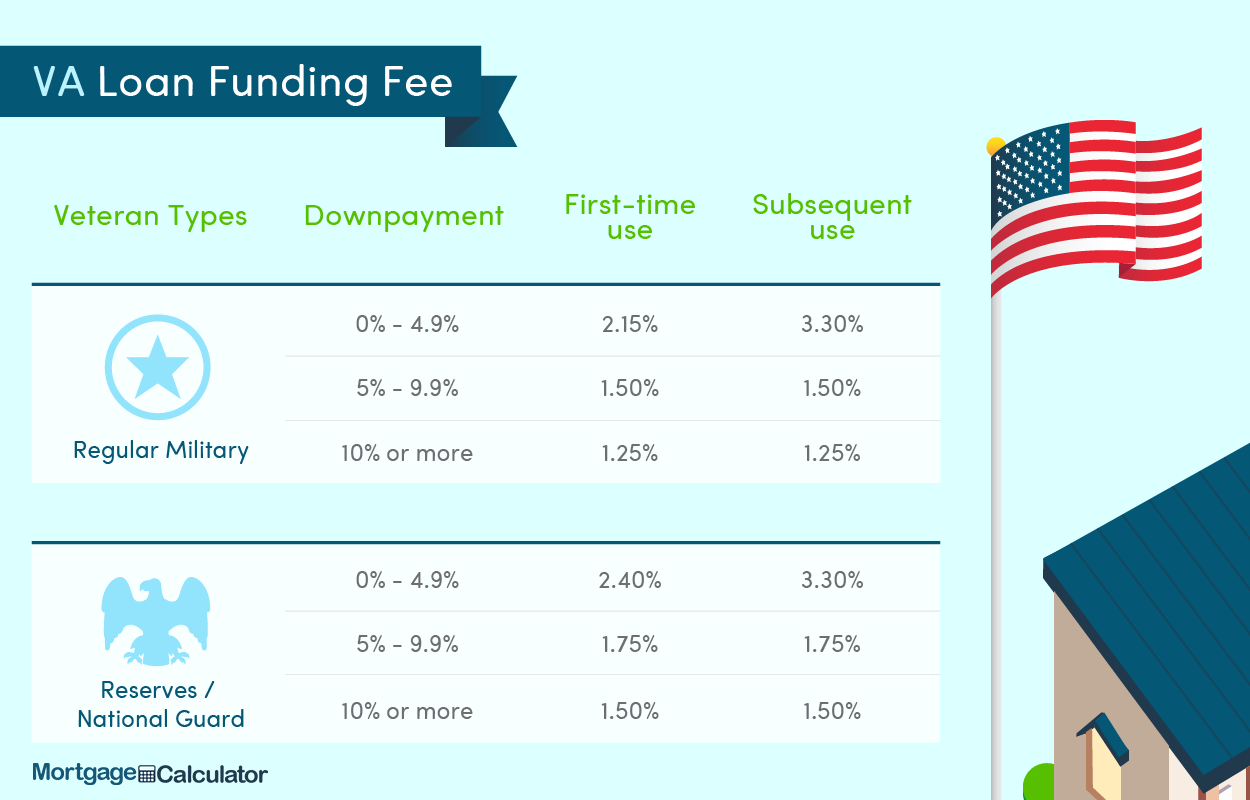
Aside from basic home mortgage types, government firms provide their own loans to property buyers. 3 crucial government agencies provide these services: the Federal Housing Administration (FHA), the U.S. Department of Agriculture (USDA) and the U.S. Department of Veterans Affairs (VA). FHA loans are unique in that they enable property buyers to pay simply a 3.5% deposit, which is far below the basic 20%.
In fact, even those who have declared bankruptcy can get authorized. You can only achieve a USDA loan if you're aiming to buy a house in a "rural area," which is designated by the USDA itself. These fixed-rate mortgages frequently include no down payment whatsoever. Because the VA offers these home loans, they are exclusively offered to military service-members, retired service-members and some making it through military spouses.
Jumbo loans are non-conforming mortgages. This means that they don't fall within the optimum adhering loan limitations government companies set. More specifically, loans for single-family houses are topped at $484,350. If your home loan surpasses those bounds, you require to get a jumbo loan. If you're prepared to make the dive into homeownership, you'll likely require to get a home mortgage.
There's a vast array of companies that fit under this heading, consisting of banks, cooperative credit union and online loan providers, like Rocket Home loan and SoFi (reverse mortgages how they work). These lenders can then be divided into two subcategories: retail loan providers and direct lenders. The only important difference between them is that retail loan providers use financial products beyond just mortgages, while direct lending institutions focus on mortgages.
How What Are The Current Interest Rates On Mortgages can Save You Time, Stress, and Money.
Contrary to the massive technique utilized by mortgage bankers, portfolio lenders lend their own money by their own rules. This could be beneficial, as these lenders aren't bound by the same sirius number to cancel strict guidelines and financier interests that home mortgage lenders typically are. If you require a jumbo loan, it might be simpler to get one through a portfolio lender.
Home loans from these lenders tend to have high rates of interest and minimum deposits, however (what is the interest rate for mortgages). As an outcome, financiers aiming to repair and flip properties on a short-term basis are their most common consumers. Like their name indicates, wholesale loan providers supply moneying loans to banks, home loan brokers and other outside lending institutions.
Oftentimes, you'll see the name of the wholesale lender noted on your home mortgage paperwork rather than your broker. Once your home loan is total, a reporter lender will aim to offer it to a sponsor, which is an external financier. In order to buy a loan, sponsors must make sure that it meets their criteria.
By offering the mortgages, reporter lenders are basically ensuring they earn money, as the opportunity that a property buyer defaults is removed. Mortgages can be actually useful if you desire to purchase a house and can't manage the overall cost upfront. Though the types of lenders that use them differ, it's eventually as much as you to decide whether a specific mortgage, or lending institution, is for you.
Did you know you that if you're at least age 62, you can actually borrow against the equity you have on your home and utilize the additional cost savings to fund your retirement? This process involves a reverse home mortgage. Sometimes it's much better to seek professional recommendations on monetary matters. If you're believing long-lasting, consider dealing with a monetary advisor to help you draw up and handle all of your assets.
To get your matches, just submit our quick individual finance survey about your existing scenario and goals for the future. Picture credit: iStock.com/ BrianAJackson, iStock.com/ Ridofranz, iStock.com/ KatarzynaBialasiewicz.
What Is The Current Interest Rate On Reverse Mortgages for Dummies
When you get a home loan, your loan provider is paying you a big loan that you utilize to buy a home. Since of the risk it's taking on to issue you the home loan, the lending institution also charges interest, which you'll need to pay back in addition to the home mortgage. Interest is computed as a portion of the home mortgage amount.
But if your home loan is an adjustable-rate home loan, your interest rate might increase or reduce, depending on market indexes. But interest likewise substances: unsettled interest accrues to the home mortgage principal, meaning that you need to pay interest on interest. With time, interest can cost almost as much as the home mortgage itself.
Mortgage payments are structured so that interest is paid off sooner, with the bulk of home mortgage payments in the first half of your mortgage term approaching interest. As the loan amortizes, more and more of the mortgage payment goes toward the principal and less towards its interest. Keep reading: Prior to you https://franciscojdzr127.skyrock.com/3335231674-Unknown-Facts-About-Which-Of-The-Statements-Below-Is-Most-Correct.html even apply for a home mortgage, you need to get preapproved.
As soon as you're preapproved, you'll get a, which, in addition to your home loan amount and any up-front expenses, will also list your approximated rate of interest. (To see how your interst rate affects your month-to-month home loan payments, attempt our mortgage calculator.) Preapproval is the initial step in the home mortgage procedure. After you lock down a home you like, you need to get approved.
As soon as you sign, these become what you need to pay. With a fixed-rate home mortgage, your rates of interest remains the same throughout the life of the home loan. (Home loans usually last for 15 or thirty years, and payments should be made monthly.) While this suggests that your rates of interest can never ever increase, it also indicates that it could be higher typically than a variable-rate mortgage in time.
Nevertheless, you normally get a particular number of years at the start of the loan duration throughout which the rates of interest is repaired. For instance, if you have a 7/1 ARM, you get 7 years at the fixed rate after which the rate can be changed as soon as per year. This implies your month-to-month mortgage payment might increase or down to represent changes to the interest rate.
The Ultimate Guide To How To Calculate How Much Extra Principal Payments On Mortgages
Getting a home mortgage is among the most considerable monetary decisions many of us will ever make. So, it's vital to understand what you're signing on for when you obtain money to purchase a house. A home loan is a loan from a bank or other banks that assists a debtor purchase a home.
A home loan includes two primary aspects: primary and interest. The principal is the specific amount of cash the homebuyer obtains from a loan provider to purchase a house. If you buy a $100,000 house, for circumstances, and borrow all $100,000 from a loan provider, that's the primary owed. The interest is what the lender charges you to obtain that cash, states Robert Kirkland, senior home loaning advisor at JPMorgan Chase.